
The Secret Life of Bees: Why These Buzzing Bundles of Energy Matter More Than You Think
If all the bees disappeared, mankind would have just four years to live. While many people attribute this ominous quote to Albert Einstein, its true origin remains a mystery. Fact or fiction, one thing is certain: our survival is deeply intertwined with these tiny pollinators.
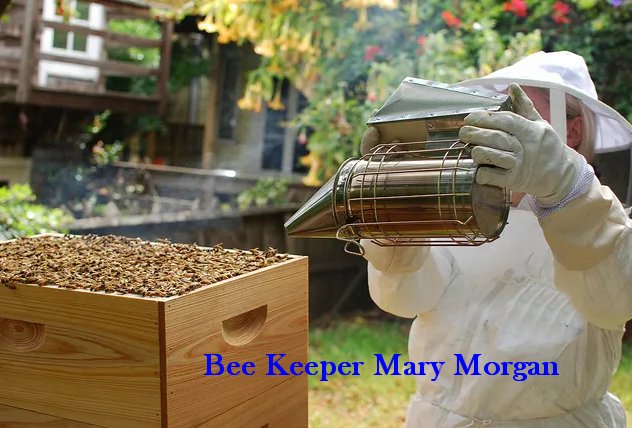
Clicking on the image of local beekeeper Mary Morgan reveals exactly why the pollination work of bees matters to every single living creature on Mother Nature's green earth.
Drone Delivery: The No-Fly Zone in Your Backyard
If your neighbor calls to warn you about "drones" buzzing over your yard, don't panic. You are not being spied on, and you are definitely not getting bombed.
Those drones are actually male honeybees on a very specific mission: hunting for a virgin queen. You can leave your fly swatter inside because you face zero danger of getting stung. Swarming male honeybees have exactly one purpose in life, and nature did not equip them with a stinger to do it.
A Numbers Game Too Big to Picture
Mary is just one of roughly 125,000 beekeepers across the United States. The vast majority of these individuals are dedicated hobbyists rather than commercial farmers.
Yet, their collective impact is staggering:
- 2.6 million managed honey-producing colonies exist nationwide.
- 60,000 bees can live in a single colony at the height of summer.
- 100 billion bees make up the estimated national population.
Because counting one hundred billion buzzing bugs is impossible, beekeepers measure their success by tracking colonies instead of individual bees.
Winter Survival and the Ultimate Cliffhanger
Beekeeping is not for the faint of heart. Two massive challenges threaten hives every year: bitter cold weather and hungry predators. Mice, raccoons, deer, and bears all love the sweet taste of honey.
When you combine freezing temperatures with determined wildlife, many beekeepers lose up to half of their colonies every single winter.
But Mary is a fighter. She has mastered the art of keeping creatures big and small from robbing her hives. However, winter always tests a beekeeper's limits. During the recent brutal winter—where temperatures plummeted to a bone-chilling five degrees—how did her hives hold up? How many of her bees actually froze to death?
The Recipe for a Single Jar of Honey
To truly appreciate a bee's work ethic, look at a single worker bee. In her entire lifetime, she will produce just one-twelfth of a teaspoon of honey.
To fill just one single, one-pound jar of golden honey, an army of bees must execute an unbelievable logistical feat.
After stealing pollen from millions of blossoms and flying a distance equal to twice around the globe, the bees must still engage in a massive collective wing-flapping process to evaporate the moisture and create that sweet, semi-liquid gold.
Next time you drizzle honey onto your toast, remember the tiny miracle workers who flew across the world to make it happen.
Stinky Honey and Shake a Tail Feather
Mary also has a burning question for our ride-about partners: "Has anybody ever tried stinky honey?" If you have, drop us a comment below! But come on now, Mary—what kind of question is that, and is stinky honey even a real thing? Let's change the subject.
I need to level with you: the thought of sixty thousand bees buzzing and swarming around gives me the absolute heebie-jeebies. But when I think of Ray Charles and the Blues Brothers singing "Shake a Tail Feather," now that is cool.
Here is the connection: some beekeepers swear those famous dance moves were actually inspired by watching honeybees get their waggle on. Truth or fiction? I know not.